
Boardroom

The Future of Work

close

Boardroom

Hybrid Working

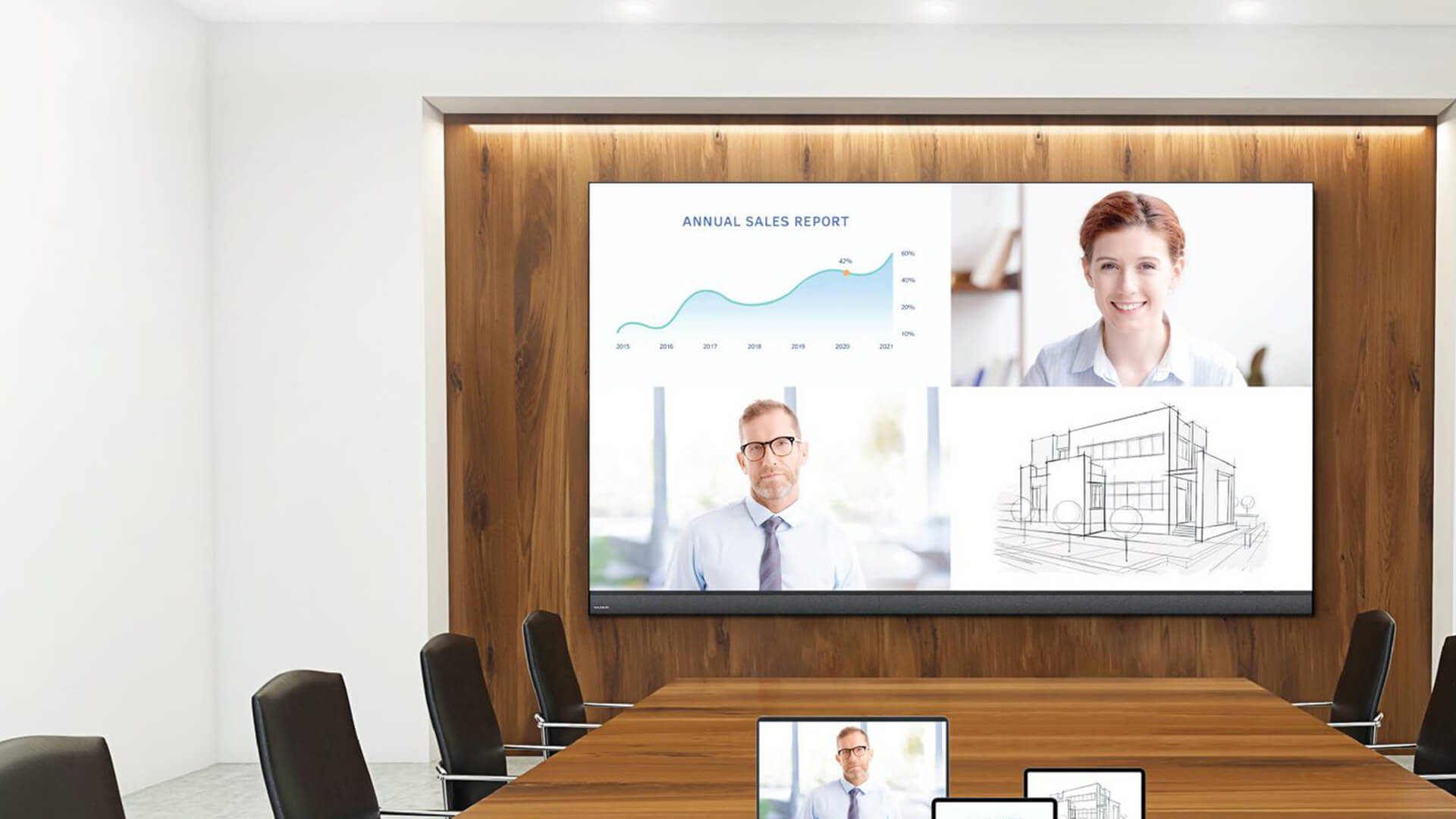
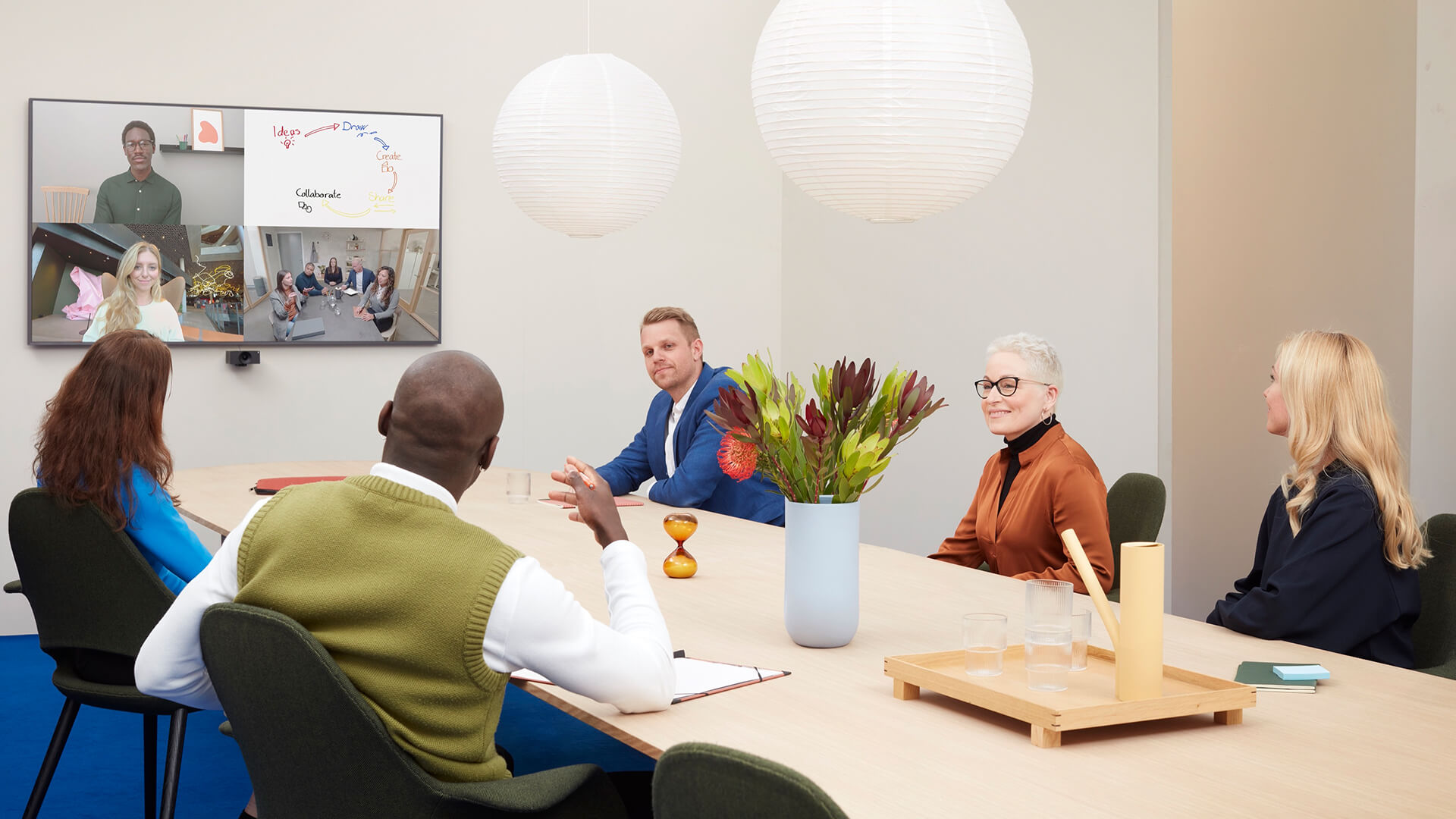
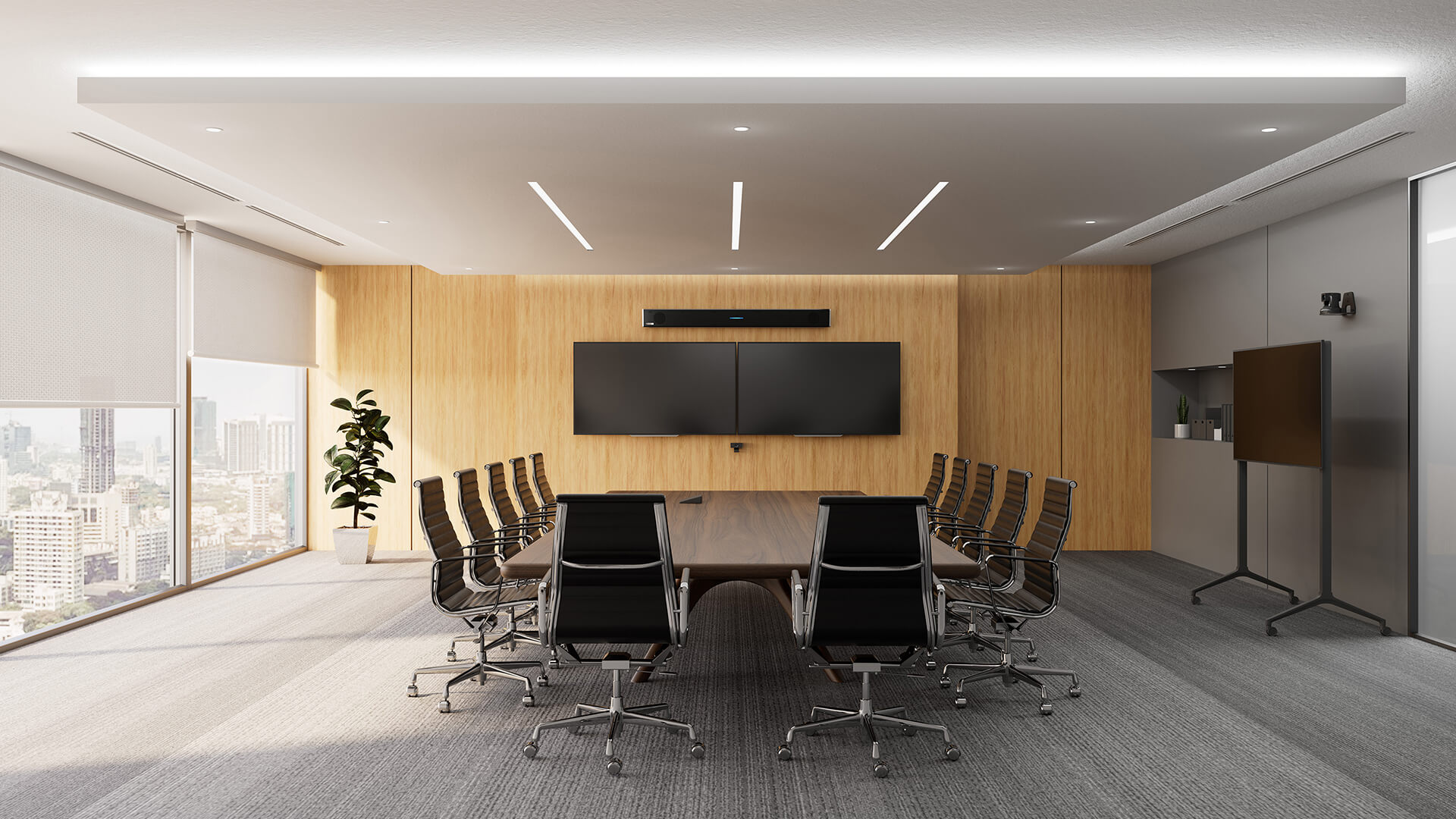
In today's evolving work landscape, the ability to support hybrid meetings has become increasingly important for meeting spaces. Hybrid meetings enable a seamless collaboration between in-person and remote participants, combining the advantages of face-to-face interactions with the flexibility of virtual connectivity. This capability allows organisations to embrace remote work trends, accommodate distributed teams, and foster inclusivity. By supporting hybrid meetings, meeting spaces empower businesses to leverage the talents of remote workers, enhance collaboration across geographical boundaries, and optimise productivity. It enables teams to connect, communicate, and collaborate effectively, regardless of their physical location, ensuring that organisations can adapt to the changing dynamics of work and maintain a competitive edge in the modern business landscape.


Learn more

close

Boardroom

Display

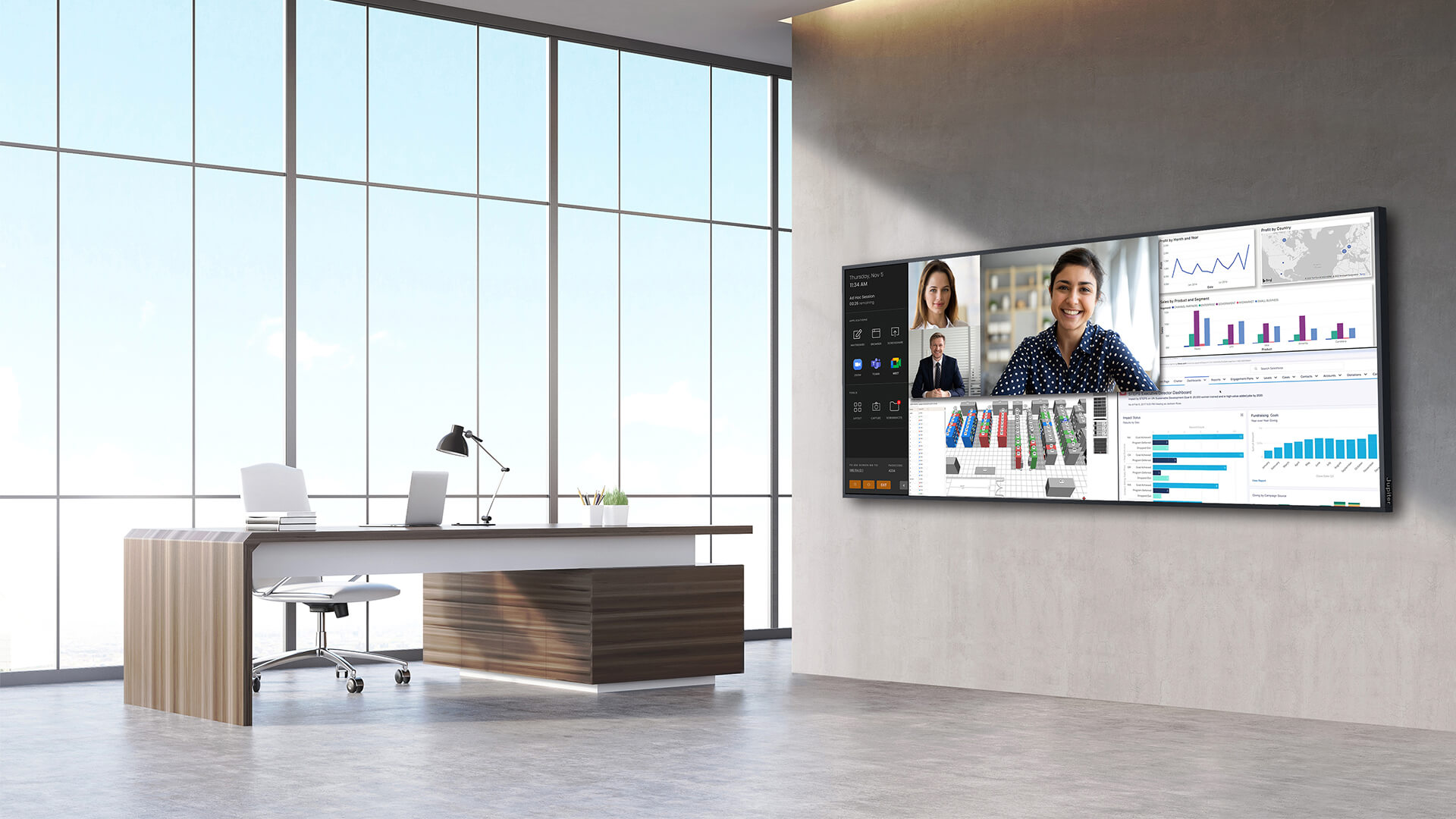
The right sized screen is very important in today's meeting rooms because it can impact the overall effectiveness of the meeting. A screen that is too small may not provide enough visibility for all attendees, while a screen that is too large can be overwhelming and distracting. The size of the screen should be chosen based on the size of the room, the number of attendees, and the purpose of the meeting. A properly sized screen can enhance collaboration, engagement, and communication among team members.


Learn more

close

Boardroom

Video

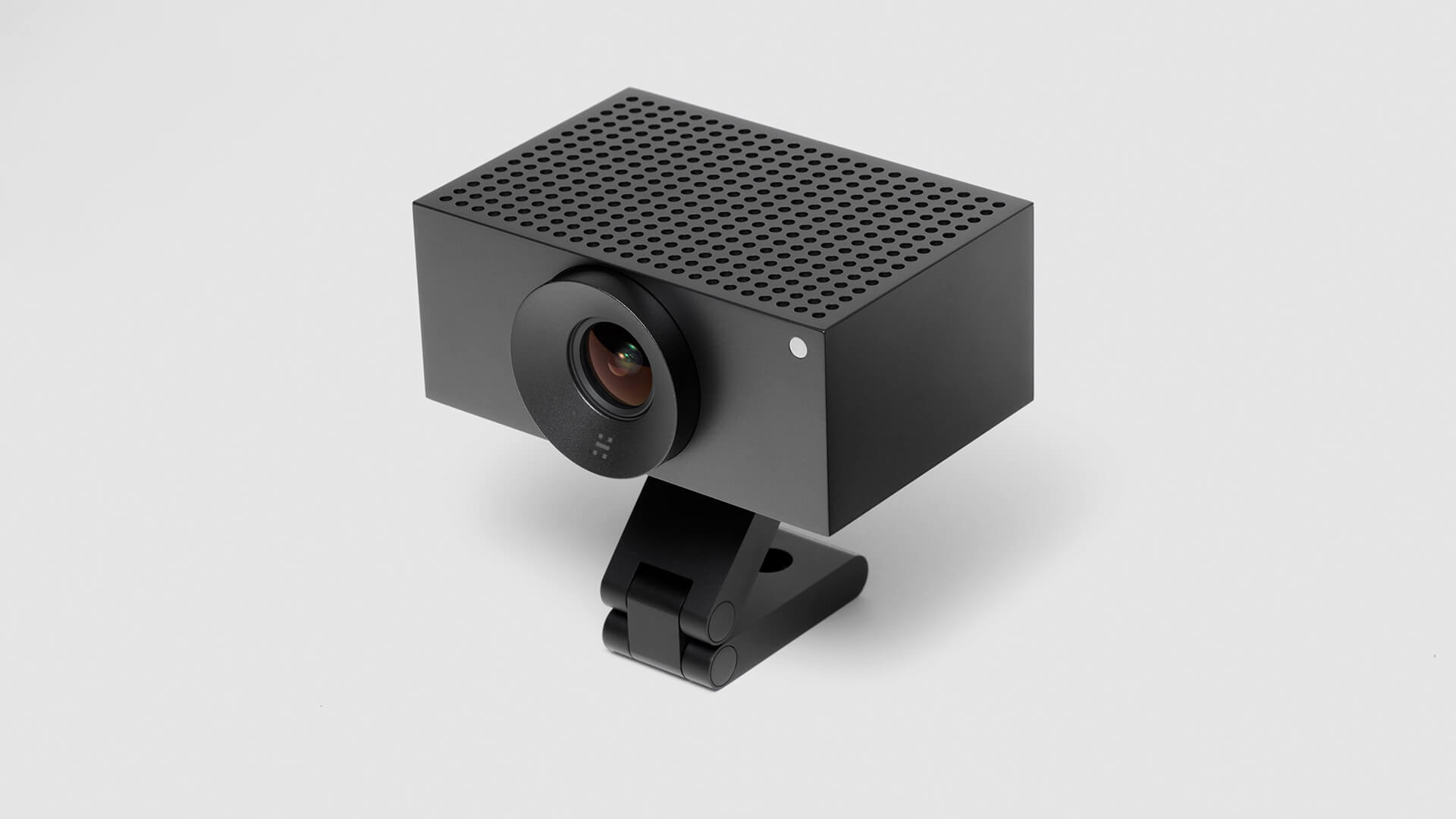
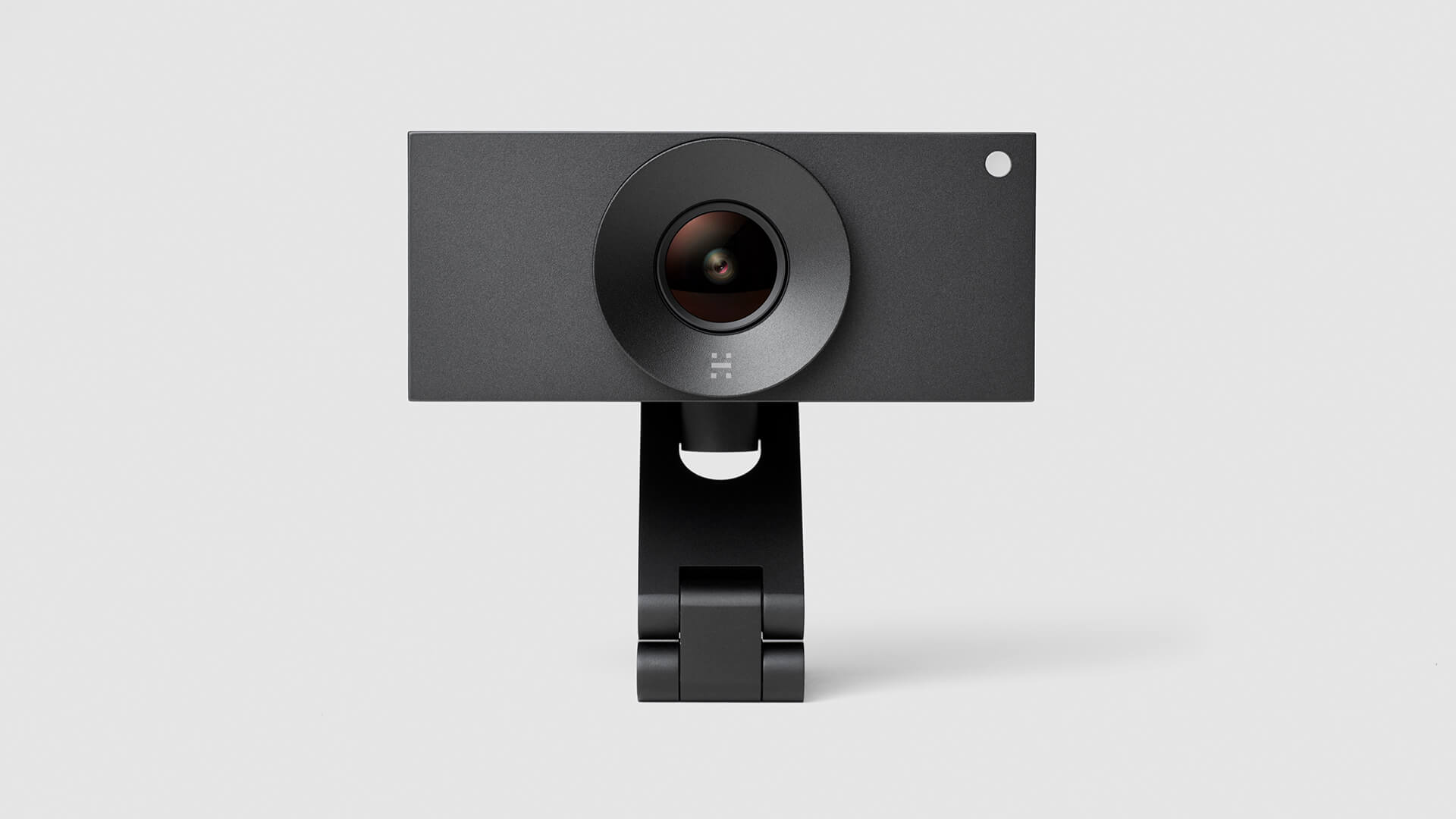
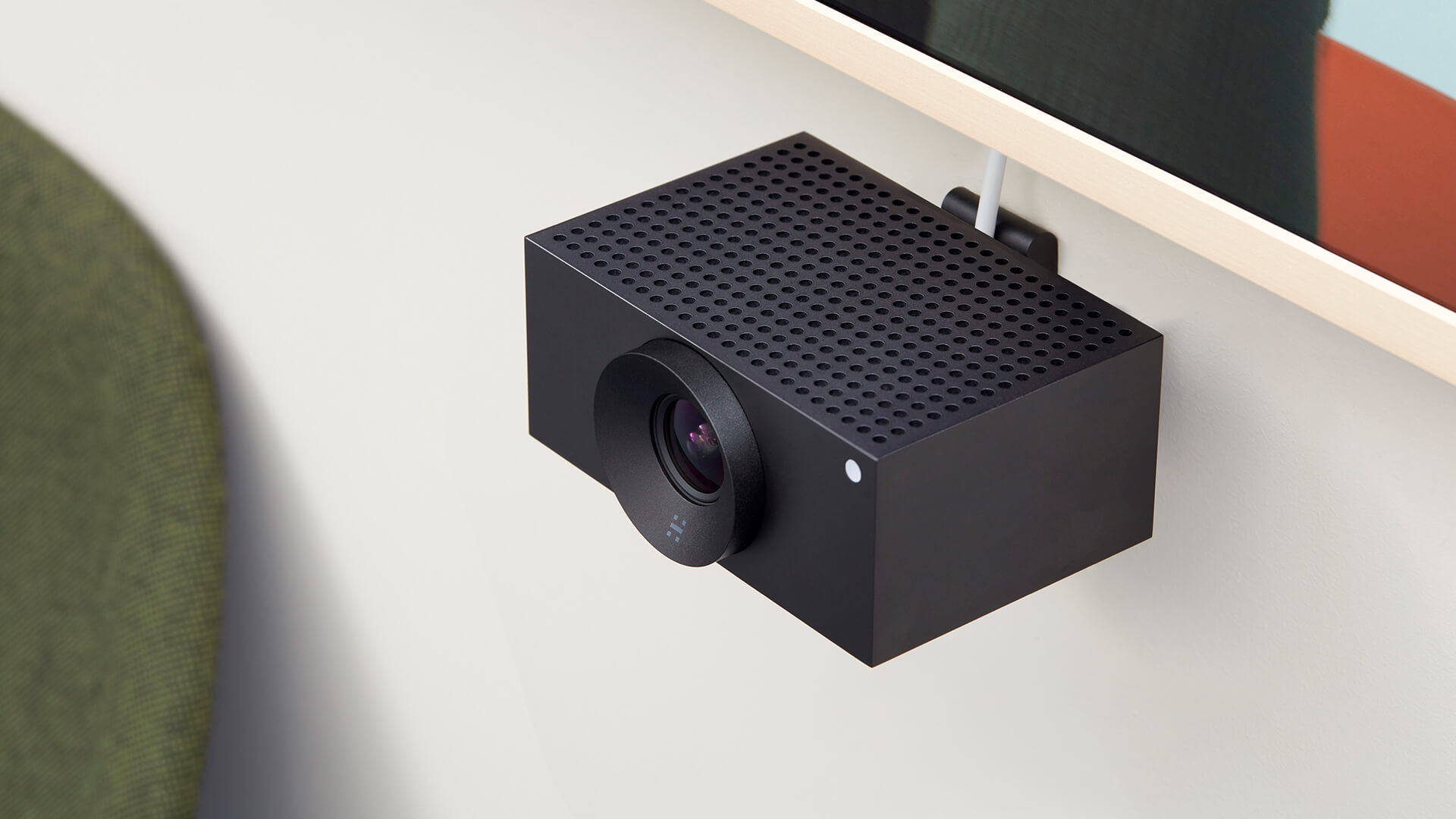
Intelligent camera technology is fast emerging as a vital component of modern meeting rooms. With its ability to provide visual cues and non-verbal communication, video technology enhances the quality and effectiveness of virtual meetings. By enabling face-to-face interactions, it fosters a sense of connection and engagement among participants, even when they are geographically dispersed. It empowers teams to communicate more effectively, build relationships, and make informed decisions. In an era where remote work and global collaborations are on the rise, camera technology has become an indispensable tool for creating immersive and productive meeting experiences.


Learn more

close

Boardroom

Audio Conferencing

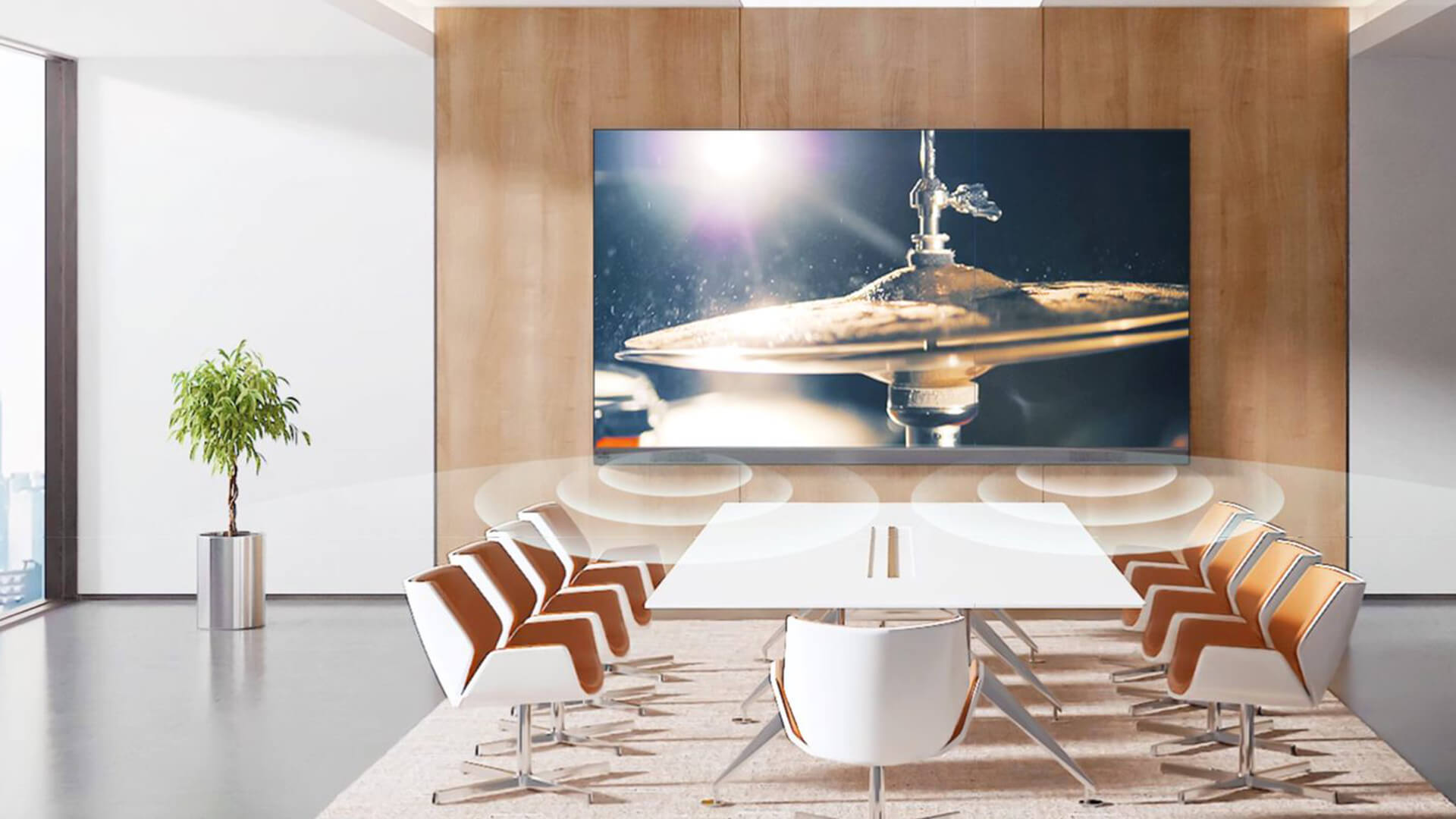
Audio conferencing technology has become a critical component of modern meeting rooms. With its ability to facilitate seamless communication, audio conferencing ensures that teams can connect and collaborate effectively, regardless of their physical locations. Audio conferencing fosters inclusivity by accommodating remote workers and global collaborations, promoting flexible and accessible communication.


Learn more

close

Boardroom

Data Driven Analytics

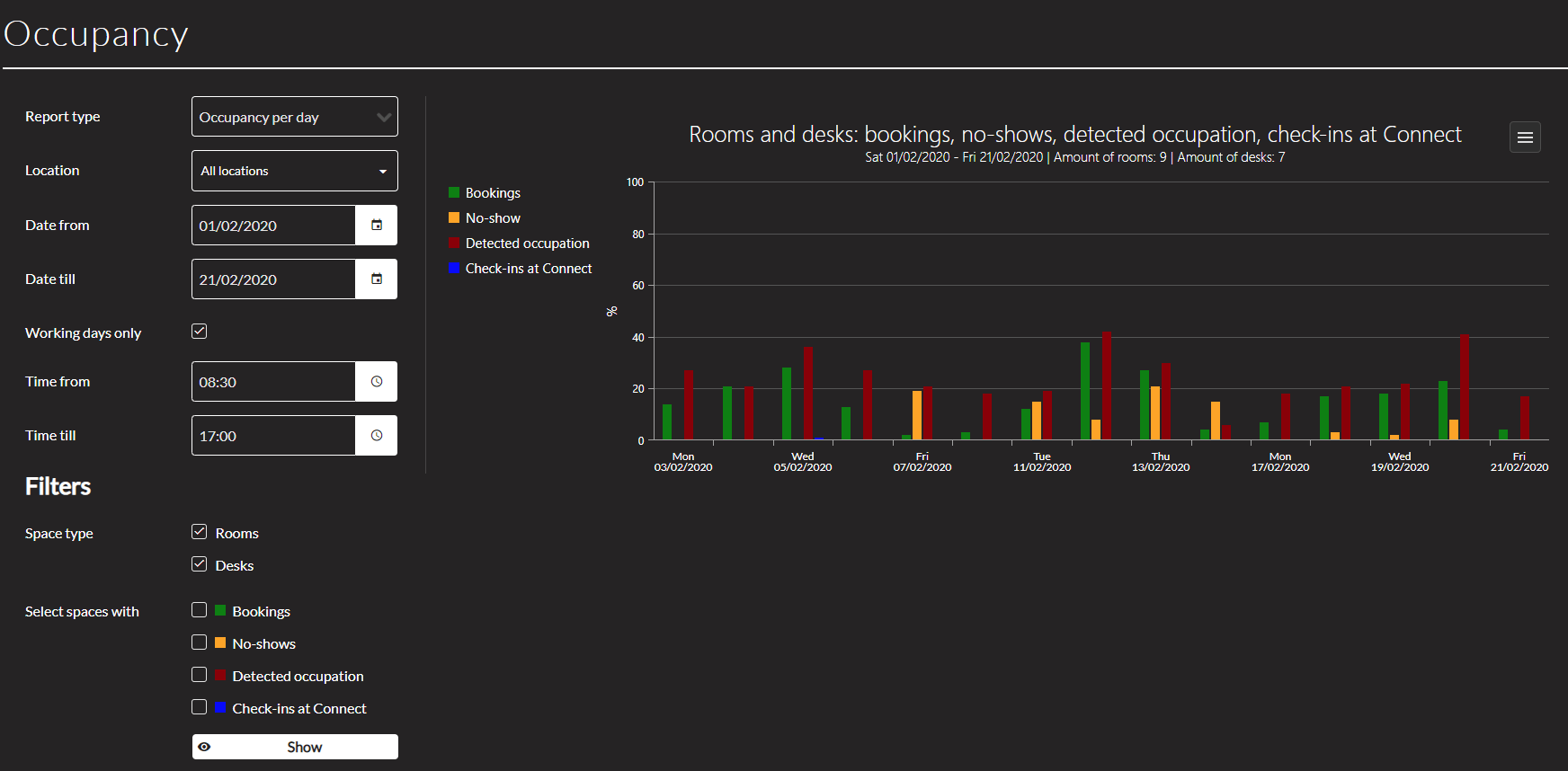
Meeting room data holds significant value for businesses in today's dynamic work environment. By capturing and analysing data related to meeting room usage, organisations can gain valuable insights that drive decision-making and improve operational efficiency. Meeting room data helps optimise resource allocation, manage costs, enhance productivity, inform space planning, optimise technology infrastructure, and ensure compliance. With access to this data, businesses can make informed decisions to create more effective and collaborative meeting environments.

close

Boardroom

Room Sensors

It's more important than ever to create a comfortable workplace environment where hygiene and safety are consistently prioritised. High traffic areas will need to be monitored and the footfall will have to be staggered to allow for social distancing. Rooms sensors can be integrated into facilities management systems to allow organisations to collect data about incoming and outgoing traffic and alert individuals when an area has reached capacity.

close

Boardroom

Room Booking

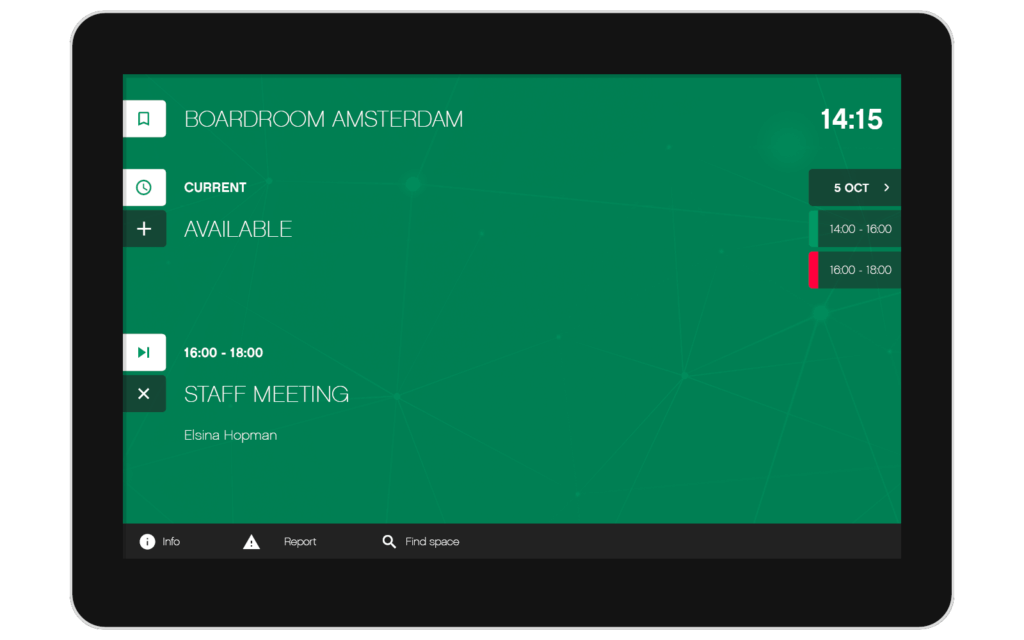
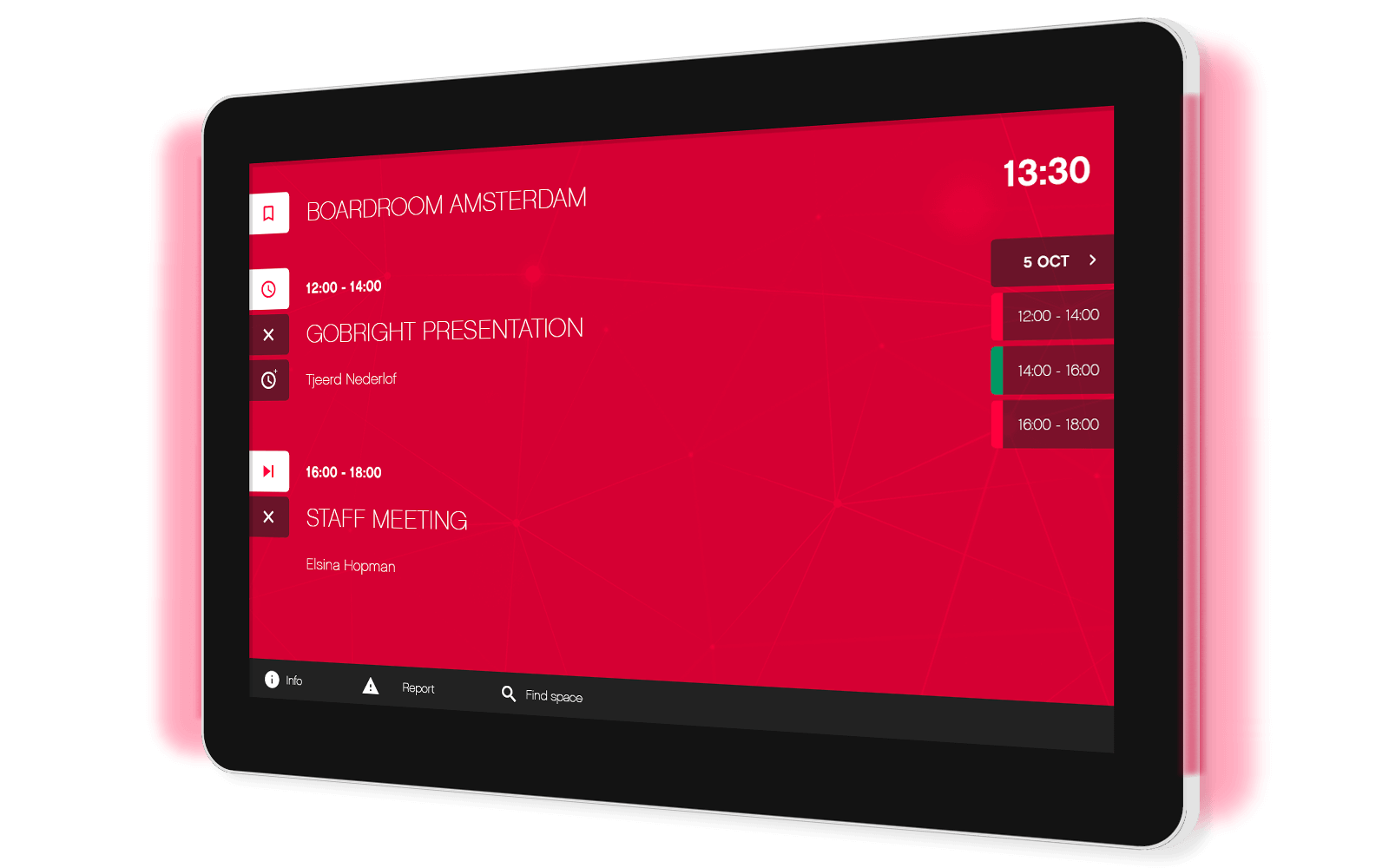
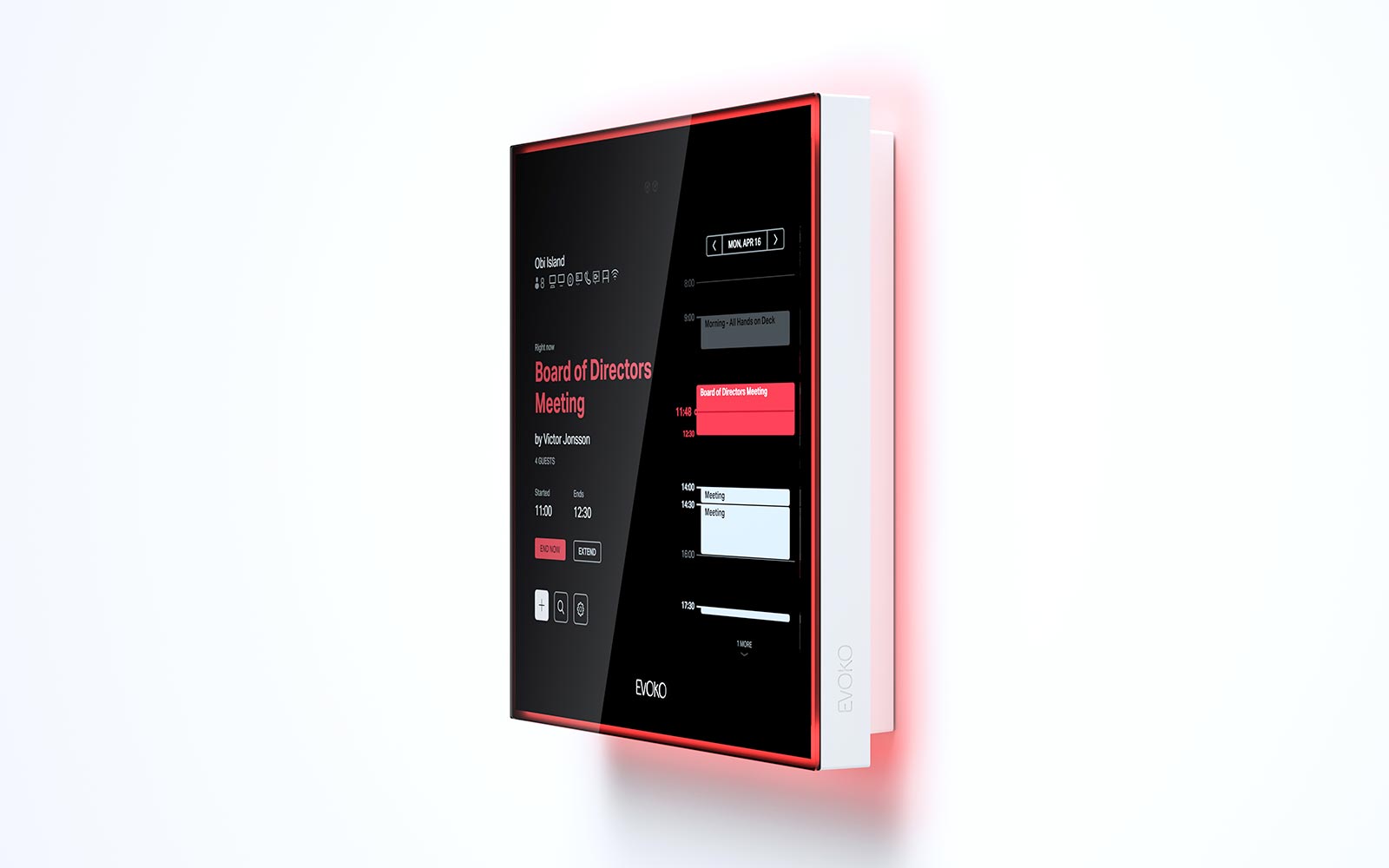
Deploying room booking technology has become increasingly crucial for businesses in today's fast-paced and dynamic work environment. Room booking technology streamlines the process of reserving and managing meeting spaces, providing numerous benefits for organisations. It enhances efficiency by eliminating the need for manual scheduling, reducing conflicts, and optimising room utilisation. With real-time availability information, employees can easily find and book suitable meeting spaces, saving time and avoiding frustration. Additionally, room booking technology enables better resource allocation, as organisations can track room usage, identify patterns, and make data-driven decisions for space optimisation. By implementing this technology, businesses can enhance productivity, improve collaboration, and create a seamless and organised meeting experience for their employees.


Learn more

close

Boardroom

Joinability

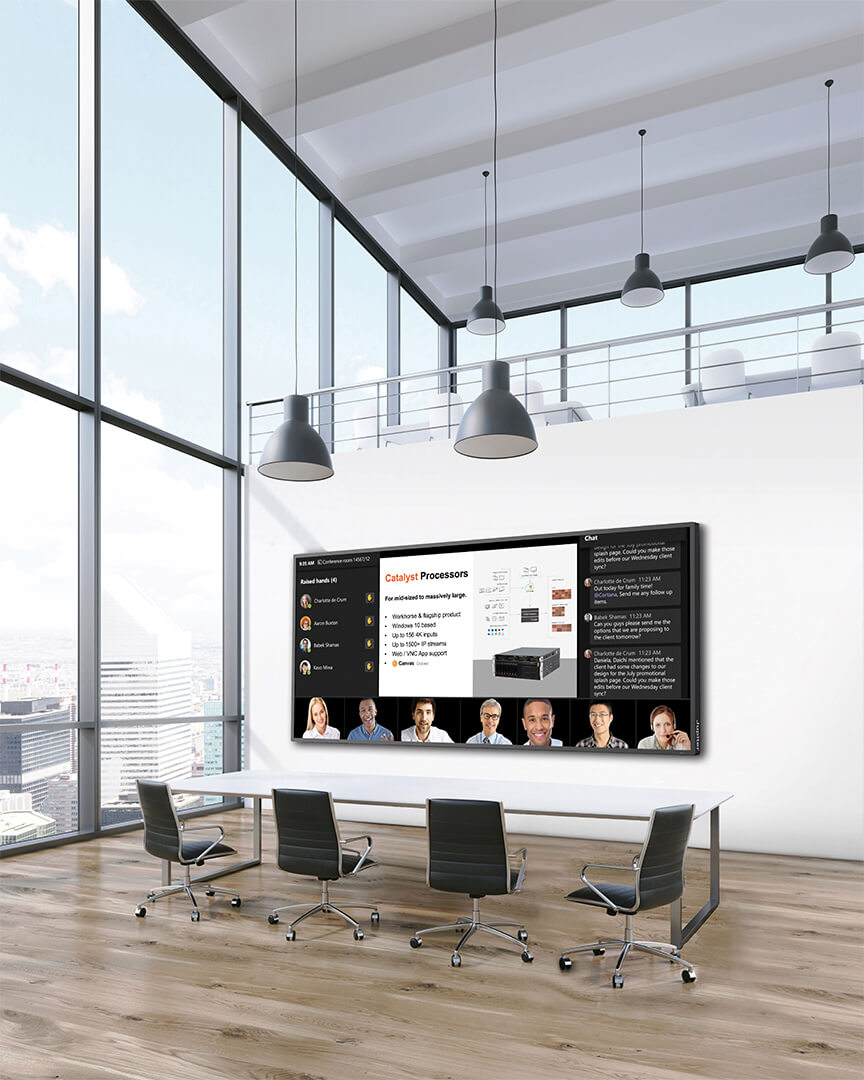
The ability to join multiple different meeting platforms from your meeting room has become increasingly important in today's interconnected business landscape. With various platforms and communication tools available, teams often find themselves using different platforms for different meetings or collaborating with external partners who prefer specific platforms. Being able to seamlessly connect and participate in meetings across multiple platforms is crucial for effective collaboration and communication. It enables teams to break down barriers and bridge the gaps between different systems, ensuring inclusivity and flexibility in the meeting room.


Learn more
/
/
/
/
/
/
/
/
/
/
/
/
/
/
/
/
/
/
/
/

Book a Demo

I agree to be contacted by:
Logomark

Data Driven Analytics

Desk Booking

Implementing desk booking solutions allows organisations to gather data on the number of desks being used on a day-to-day basis to inform future decisions on office layout. Adding sensors improves accuracy by enabling businesses to track people checking in and out automatically, without the need for additional hardware.

In the short-term desk booking data is about controlling and managing occupancy, but in the long term the data gathered will enable businesses to plan accurately for future workplace needs. For example, as workspace demand changes there may be a requirement for less desks and more meeting spaces.

Image

Room booking

Room booking data helps organisations to understand the number of rooms being used, the size of room most commonly selected and typical occupancy levels. When building a hub for the future it’s important to know the number and sizes of meeting spaces likely to be required.

Collecting data can also help determine the type of technology users are most likely to need for their meetings and the services they most frequently book. Issues and incidents can also be logged to enable organisations to improve incident management by monitoring and quickly resolving common technical issues.

Image

Visitor Management

Organisations can monitor the number of visitors in their buildings in real time and provide them with important safety information while they are onsite. They can also use the data to keep track-and-trace records and monitor visitor levels over time. This helps them understand which staff most frequently host visitors, the reasons for the visits and the most popular days for visits. This is vital information for planning future meeting space requirements.

Image

Digital Signage

Digital signage is all about making data visible and can be used around the office to promote desk availability so that space is fully utilised. It also allows the timely communication of important messages and other information for employees, such as travel information and upcoming weather forecasts. This helps to create a feeling of safety and wellbeing.

Image

Meeting Room

Meeting rooms serve as vital spaces where collaboration, decision-making, and innovation take place. By gathering and harnessing data related to meeting room usage, organisations can unlock insights that drive efficiency, resource optimisation, and enable data-driven decision-making. From optimising space utilisation to improving scheduling processes, collecting meeting room data provides a valuable foundation for enhancing productivity, streamlining operations, and planning for the future.

Image