

Desk Booking
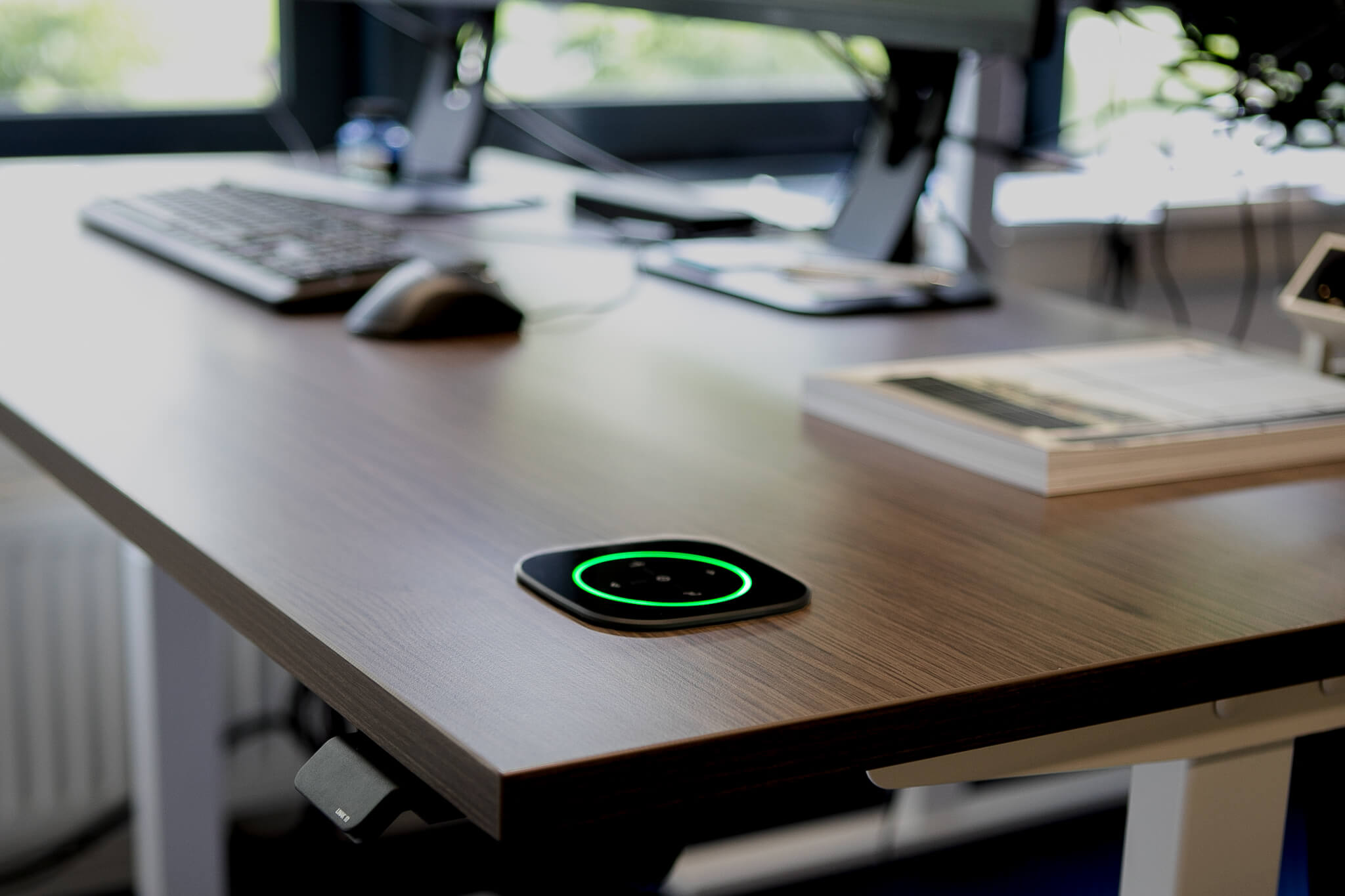
Implementing desk booking solutions allows organisations to gather data on the number of desks being used on a day-to-day basis to inform future decisions on office layout. Adding sensors improves accuracy by enabling businesses to track people checking in and out automatically, without the need for additional hardware.
In the short-term desk booking data is about controlling and managing occupancy, but in the long term the data gathered will enable businesses to plan accurately for future workplace needs. For example, as workspace demand changes there may be a requirement for less desks and more meeting spaces.

Room booking
Room booking data helps organisations to understand the number of rooms being used, the size of room most commonly selected and typical occupancy levels. When building a hub for the future it’s important to know the number and sizes of meeting spaces likely to be required.
Collecting data can also help determine the type of technology users are most likely to need for their meetings and the services they most frequently book. Issues and incidents can also be logged to enable organisations to improve incident management by monitoring and quickly resolving common technical issues.

Visitor Management
Organisations can monitor the number of visitors in their buildings in real time and provide them with important safety information while they are onsite. They can also use the data to keep track-and-trace records and monitor visitor levels over time. This helps them understand which staff most frequently host visitors, the reasons for the visits and the most popular days for visits. This is vital information for planning future meeting space requirements.

Digital Signage
Digital signage is all about making data visible and can be used around the office to promote desk availability so that space is fully utilised. It also allows the timely communication of important messages and other information for employees, such as travel information and upcoming weather forecasts. This helps to create a feeling of safety and wellbeing.

Meeting Room
Meeting rooms serve as vital spaces where collaboration, decision-making, and innovation take place. By gathering and harnessing data related to meeting room usage, organisations can unlock insights that drive efficiency, resource optimisation, and enable data-driven decision-making. From optimising space utilisation to improving scheduling processes, collecting meeting room data provides a valuable foundation for enhancing productivity, streamlining operations, and planning for the future.
